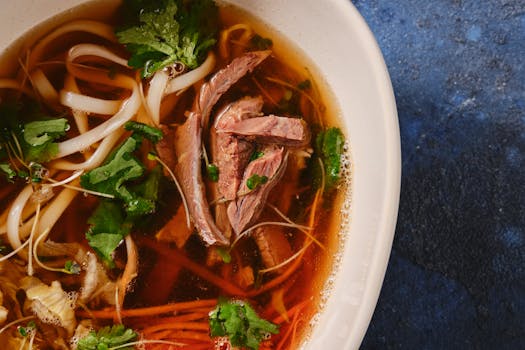
The aroma alone is enough to transport you. A steaming bowl of pho, that iconic Vietnamese noodle soup, is more than just a culinary comfort; it’s a symphony of flavors and, as it turns out, a surprisingly potent source of well-being. For years, I’ve savored pho, often with a thoughtless indulgence, but recently, my curiosity nudged me to ask: just how much good is really in that fragrant bowl? Are we talking about mere flavor, or are there genuine pho health benefits to consider? It’s time to lift the lid on this delicious mystery and explore what makes pho a potential ally for our health.
The Nutritional Foundation: What’s Truly Simmering?
At its heart, pho is a broth-based soup. This fundamental characteristic is where many of its health advantages begin. The slow simmering of bones, spices, and aromatics extracts a wealth of nutrients. Think about the foundational ingredients: beef or chicken bones, star anise, ginger, cinnamon, cloves, and onions. These aren’t just for taste; many possess potent medicinal properties recognized for centuries.
The broth itself can be a fantastic source of hydration and electrolytes, especially crucial after a workout or during illness. It’s typically low in calories (depending on what you add, of course!), making it a satisfying meal that won’t derail your dietary goals. Furthermore, the lean protein from the meat (usually beef or chicken) provides essential amino acids for muscle repair and satiety.
Is the Broth Gold? Unpacking Micronutrients and Minerals
When we talk about pho health benefits, we can’t ignore the micronutrients that leach into the broth. The prolonged simmering process allows minerals like calcium, magnesium, and phosphorus from the bones to infuse the liquid. While the exact amounts can vary, these minerals are vital for bone health, nerve function, and energy production.
Furthermore, the spices used aren’t just for aroma. Ginger, for instance, is renowned for its anti-inflammatory and digestive properties. Studies suggest it can help alleviate nausea and aid in digestion. Cinnamon offers antioxidant benefits and may help regulate blood sugar levels. Even the humble onion, when caramelized and simmered, contributes quercetin, a flavonoid with antioxidant and anti-inflammatory effects. It’s fascinating to consider how these humble ingredients work in concert.
The Gut Connection: Aiding Digestion and Immunity
Here’s where things get particularly interesting. The combination of ingredients in pho can offer significant support for your digestive system and, by extension, your immune function. The ginger and star anise are well-known carminatives, meaning they help to expel gas and soothe digestive upset. The warm broth itself can be incredibly comforting to an irritated stomach.
Moreover, if the broth is made from high-quality bones, it can contain collagen, which is broken down into gelatin during cooking. Gelatin is believed to support the integrity of the gut lining, which is crucial for proper nutrient absorption and preventing harmful substances from entering the bloodstream. A healthy gut microbiome is intrinsically linked to a robust immune system, so anything that nourishes our gut can indirectly bolster our defenses. This is one of the more compelling pho health benefits that often goes unacknowledged.
Beyond the Bowl: Hydration and Weight Management Potential
In our busy lives, staying adequately hydrated can be a challenge. A generous bowl of pho, with its high water content, can contribute significantly to your daily fluid intake. This might seem simple, but proper hydration is fundamental for virtually every bodily process, from regulating body temperature to transporting nutrients.
From a weight management perspective, pho can be a smart choice. When prepared with lean meats and plenty of vegetables, and with mindful additions of bean sprouts, herbs, and lime, it’s a nutrient-dense meal that’s surprisingly filling. The combination of protein, fiber (from the noodles and vegetables), and the warmth of the broth can help you feel satisfied for longer, potentially reducing the urge to snack on less healthy options. It’s a testament to how a well-balanced meal can be both delicious and beneficial.
Navigating the Add-ins: Customizing Your Healthiest Pho
While the base broth is inherently healthy, the true art of enjoying pho’s pho health benefits often lies in the customization. The accompanying plate of fresh herbs – mint, basil, cilantro – isn’t just for garnish; they are powerhouses of vitamins and antioxidants. Cilantro, for example, is rich in vitamin K and can aid in detoxification.
However, it’s worth considering what you add. Opting for leaner cuts of meat, loading up on the fresh herbs and sprouts, and using chili and lime for flavor rather than excessive amounts of rich sauces or fatty additions will maximize the health profile. The noodles, while delicious, are primarily carbohydrates, so portion control can be key if you’re monitoring your carb intake. It’s about finding that perfect balance that delights your palate and nourishes your body.
The Verdict: Is Pho a Health Food?
So, can we definitively label pho a “health food”? Perhaps it’s more accurate to say it’s a nutritionally beneficial food. The pho health benefits are real and multifaceted, stemming from its wholesome ingredients and preparation methods. It offers hydration, essential minerals, digestive support, and can contribute to a feeling of fullness, aiding in weight management.
However, like any food, moderation and mindful choices are important. The quality of ingredients, how it’s prepared, and what you choose to add can significantly influence its overall health impact. In my experience, when approached with an understanding of its components and a desire for well-being, a bowl of pho can be a truly satisfying and health-promoting experience. It’s a delicious reminder that sometimes, the most comforting foods are also the ones that nurture us from the inside out.
What other traditional dishes do you suspect harbor hidden health benefits, and how might we go about exploring them?